 GiantTech
Light-Filtering vs. Blackout Shades: How to Choose for Every Room
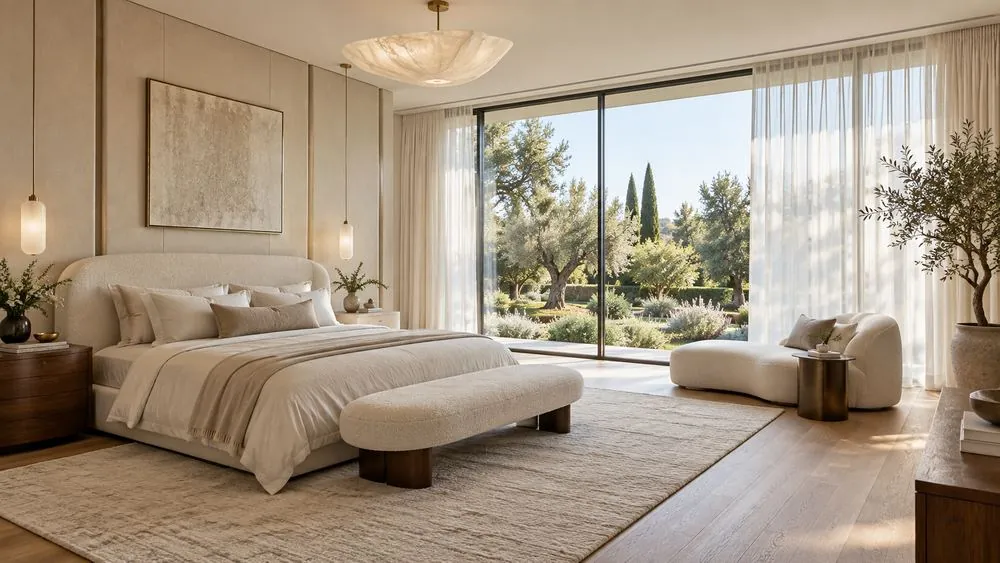
Choose light-filtering shades when you want soft, glare-free daylight with privacy, and choose blackout shades when you need a room to go dark, such as a bedroom, nursery or media room. Light-filtering fabrics diffuse sunlight into a gentle glow while obscuring the view in from outside. Blackout fabrics are made to block light passing through the material itself. Many homes in Richmond Hill, Toronto, Vaughan and across the GTA end up using both: blackout where people sleep and light-filtering in living spaces. This guide walks through how each works, which rooms suit which fabric, and how to get the best result.
What light-filtering shades do
Light-filtering fabrics are woven or coated to let a portion of daylight through while softening it. The result is an even, bright room without harsh glare or hot spots. From outside, people generally see a soft glow rather than a clear view in during the day, which makes these fabrics a comfortable everyday choice.
Keep in mind that at night, with lights on inside, light-filtering fabrics can show shadows or silhouettes. If evening privacy matters in a particular room, consider a denser fabric or a layered option.
Best rooms for light-filtering shades
- Living and family rooms: bright, welcoming light without squinting.
- Kitchens and dining rooms: daylight for cooking and meals with privacy from neighbours.
- Home offices: less screen glare while keeping the room bright.
- Sunrooms and stairwells: softened light on large or tall glass.
What blackout shades do
Blackout fabrics use a dense weave, backing or coating so that light does not pass through the material. They are the go-to choice anywhere you want darkness during the day or early morning, which matters in summer when the sun rises early.
One important point: the fabric itself can block light, but light can still come in around the edges of the shade. How dark the room gets depends on the mount, the fit and whether you add side channels, a valance or drapery. This is where precise measuring and installation make a real difference.
Best rooms for blackout shades
- Bedrooms: better sleep, especially for shift workers and early sunrises.
- Nurseries and children's rooms: darker naps during the day.
- Media rooms and home theatres: no glare on the screen.
- Boardrooms and presentation spaces: controlled light for projectors and screens.
Quick comparison
| Consideration | Light-filtering | Blackout |
|---|---|---|
| Light through the fabric | Soft, diffused daylight | Fabric blocks light |
| Daytime privacy | Good | Complete |
| Night-time privacy | Silhouettes may show with lights on | Complete |
| Glare reduction | Strong | Total when closed |
| Feel of the room when closed | Bright and airy | Dark and cozy |
| Typical rooms | Living, kitchen, office | Bedroom, nursery, media room |
Which shade styles come in each option?
Light-filtering and blackout are fabric choices, not just product types, so they are available across several styles. Here is how they typically apply:
- Roller shades: one of the easiest ways to get either option, with a wide range of light-filtering and blackout fabrics.
- Cellular shades: available in light-filtering and blackout versions, with a honeycomb structure that adds a layer of insulation at the window.
- Roman shades: soft folds of fabric that can be lined for more privacy or room darkening.
- Zebra shades: great for adjustable filtered light, though the sheer bands limit full darkness.
- Silhouette shades: soft vanes between sheer layers for diffused, glowing light.
- Drapery: can be lined for blackout and layered over a shade for the darkest result.
Seeing fabrics in your own light is the best way to decide. We bring samples to your home anywhere in the GTA and measure every window at no cost.
The best of both: layering and dual shades
You don't always have to choose. Many homeowners in Markham, Oakville and Mississauga pair a light-filtering shade with blackout drapery, or install two shades in one window. Layering lets you keep soft daylight during the day and full darkness at night.
- Shade plus drapery: a light-filtering shade for the day and lined drapery drawn at night. The drapery also helps cover the edges where light can sneak in.
- Two shades on one window: a light-filtering shade and a blackout shade mounted together so you can choose either.
- Motorized layers: with motorization, both layers can follow a schedule, closing the blackout at bedtime and opening the light-filtering shade in the morning.
Tips for choosing
Think about direction and timing
East-facing bedrooms get early morning sun, which makes blackout especially useful. West-facing living rooms get strong late-day sun, where light-filtering or solar fabrics help with glare.
Consider colour
The colour of a fabric changes how a room feels. Lighter light-filtering fabrics give a brighter glow, while darker ones feel moodier. Blackout fabrics may have a different colour facing the street than facing the room, which helps your home look consistent from outside.
Plan for the edges
If darkness is the goal, discuss the mount type and any added coverage with your consultant. An outside mount, a wider shade or drapery can reduce light gaps.
Match the use of the room
A guest room may need blackout only occasionally, while a nursery needs it every day. Let real routines guide the choice.
Measured and installed by our team
GiantTech offers free in-home consultation and measuring across the GTA, including Richmond Hill, Toronto, Mississauga, Oakville, Vaughan, Markham, Thornhill, North York, Aurora and Newmarket. Our own installation team handles every installation, and your order is backed by our 5-year warranty; see the warranty page for details. Prefer to see fabrics first? Visit our showroom at Unit 9, 1234 Reid St, Richmond Hill, or call 942-444-4268.
Frequently asked questions
Do blackout shades make a room completely dark?
Blackout fabric blocks light passing through the material, but some light can still enter around the edges of the shade. How dark the room gets depends on the mount and fit. Adding drapery or choosing an outside mount can reduce light gaps.
Can people see through light-filtering shades at night?
During the day, light-filtering shades give good privacy. At night, with lights on inside, shapes and silhouettes may be visible from outside. For rooms where night-time privacy matters, consider a denser fabric, blackout or a layered option.
Can I have both light-filtering and blackout on the same window?
Yes. You can pair a light-filtering shade with blackout drapery, or install two shades on one window so you can switch between soft daylight and darkness. Motorization makes switching between layers easy.
Which rooms should have blackout shades?
Blackout shades are most useful in bedrooms, nurseries, media rooms and boardrooms. Light-filtering shades usually suit living rooms, kitchens and home offices, where you want daylight without glare.